3D Printing & Prototyping
From file
to physical.
Product prototypes, concept models, functional parts, and detailed artistic prints — built layer by layer.
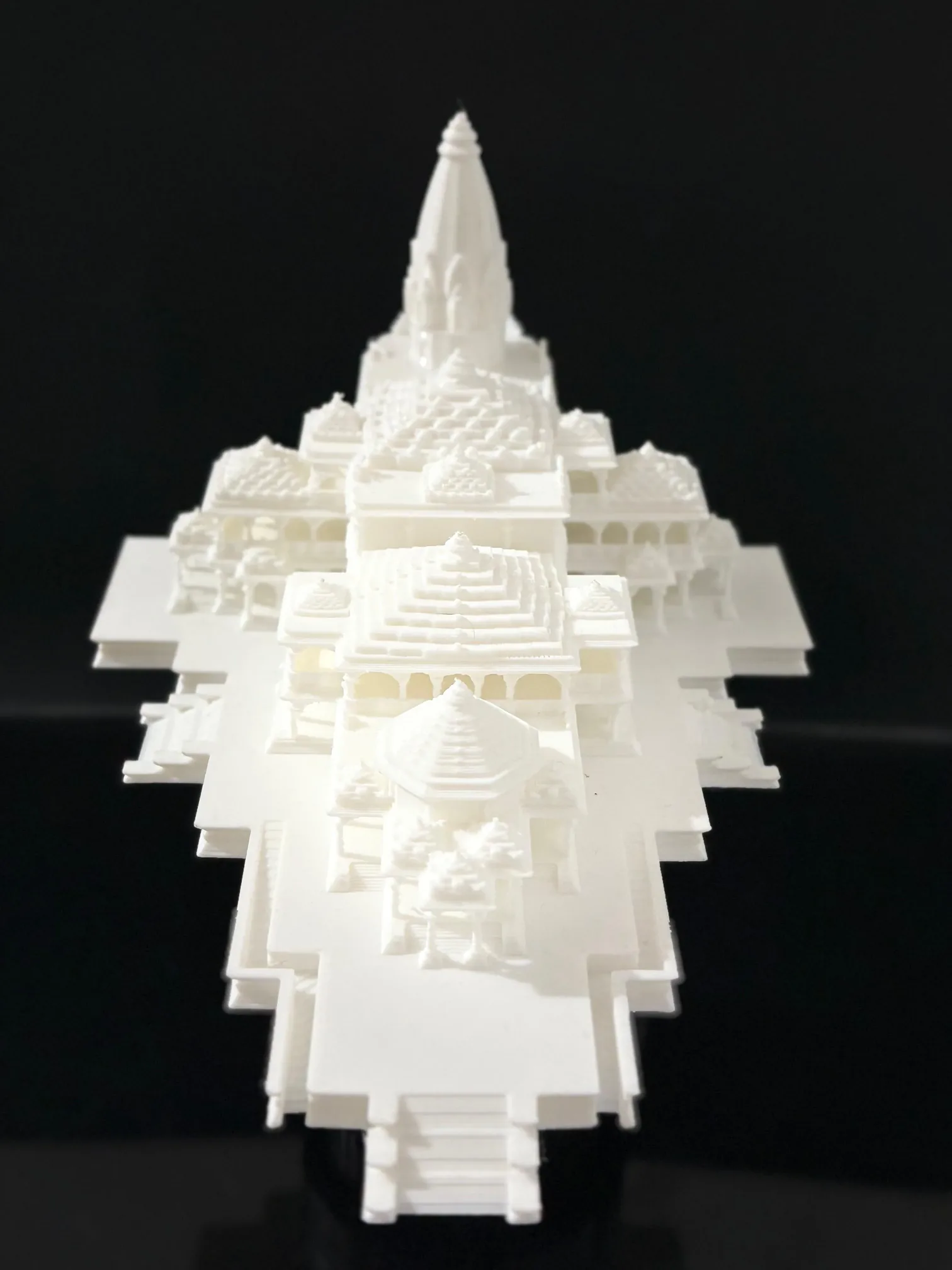
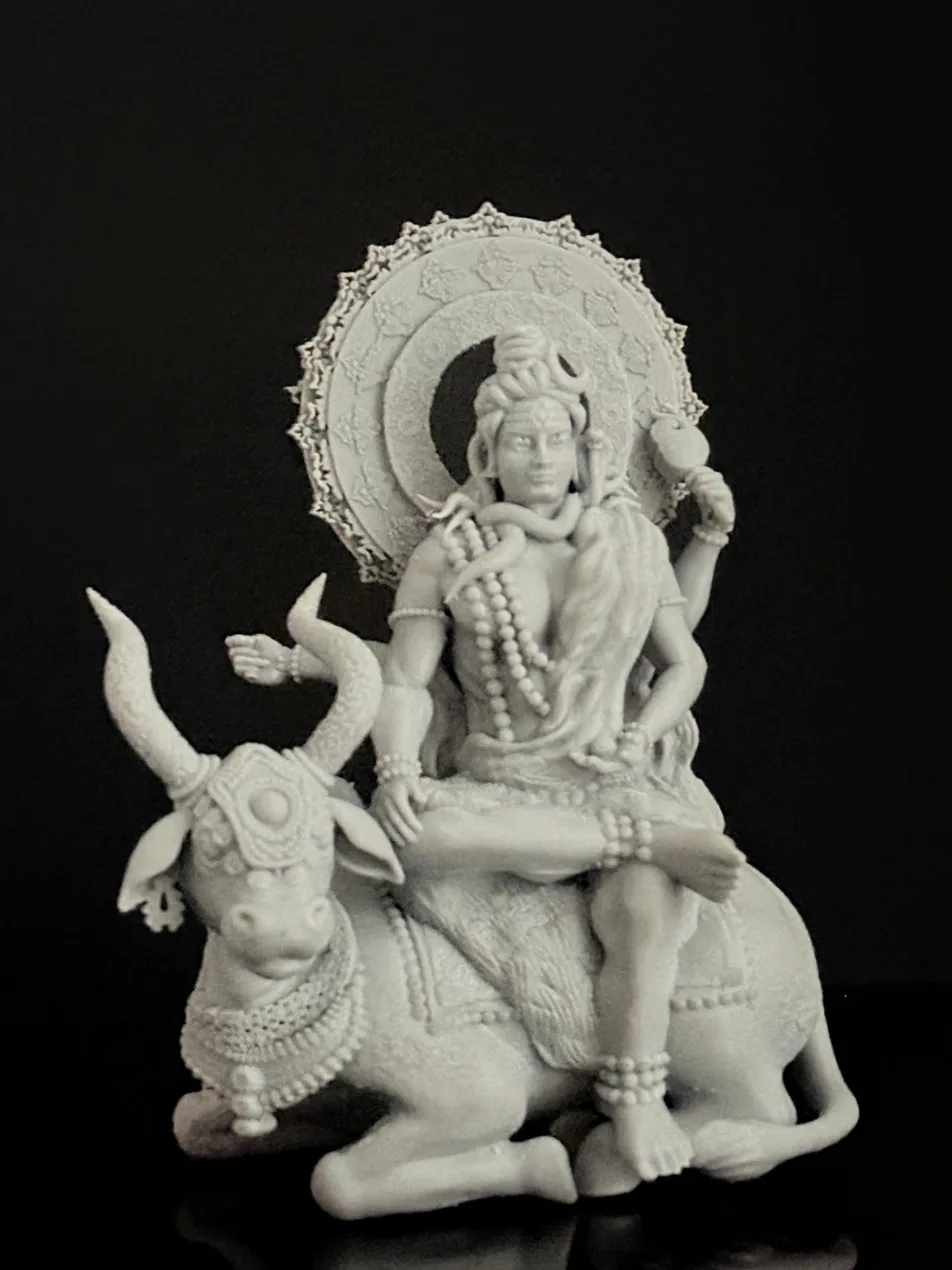
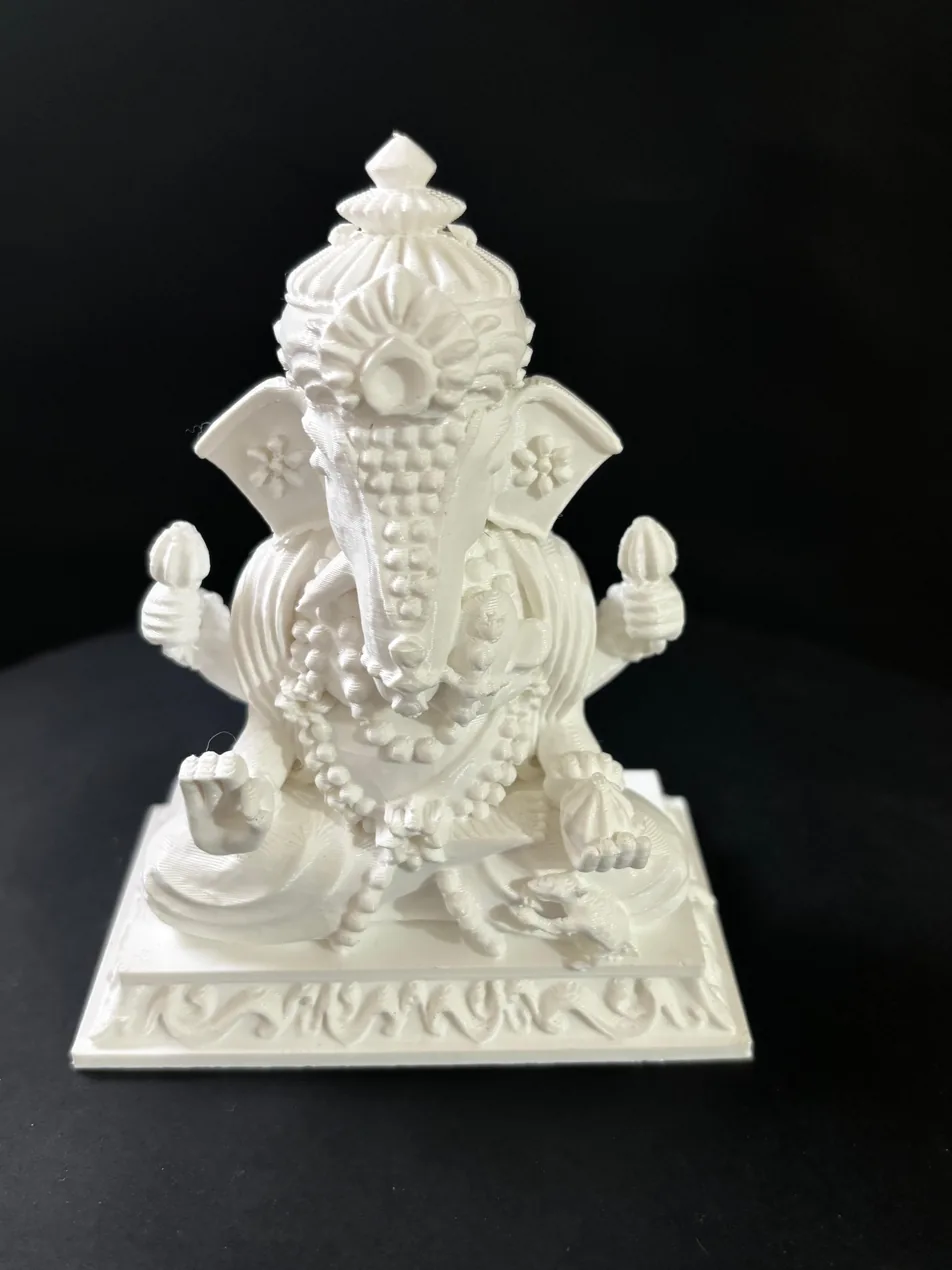
Our prints
Built. Detailed. Delivered.
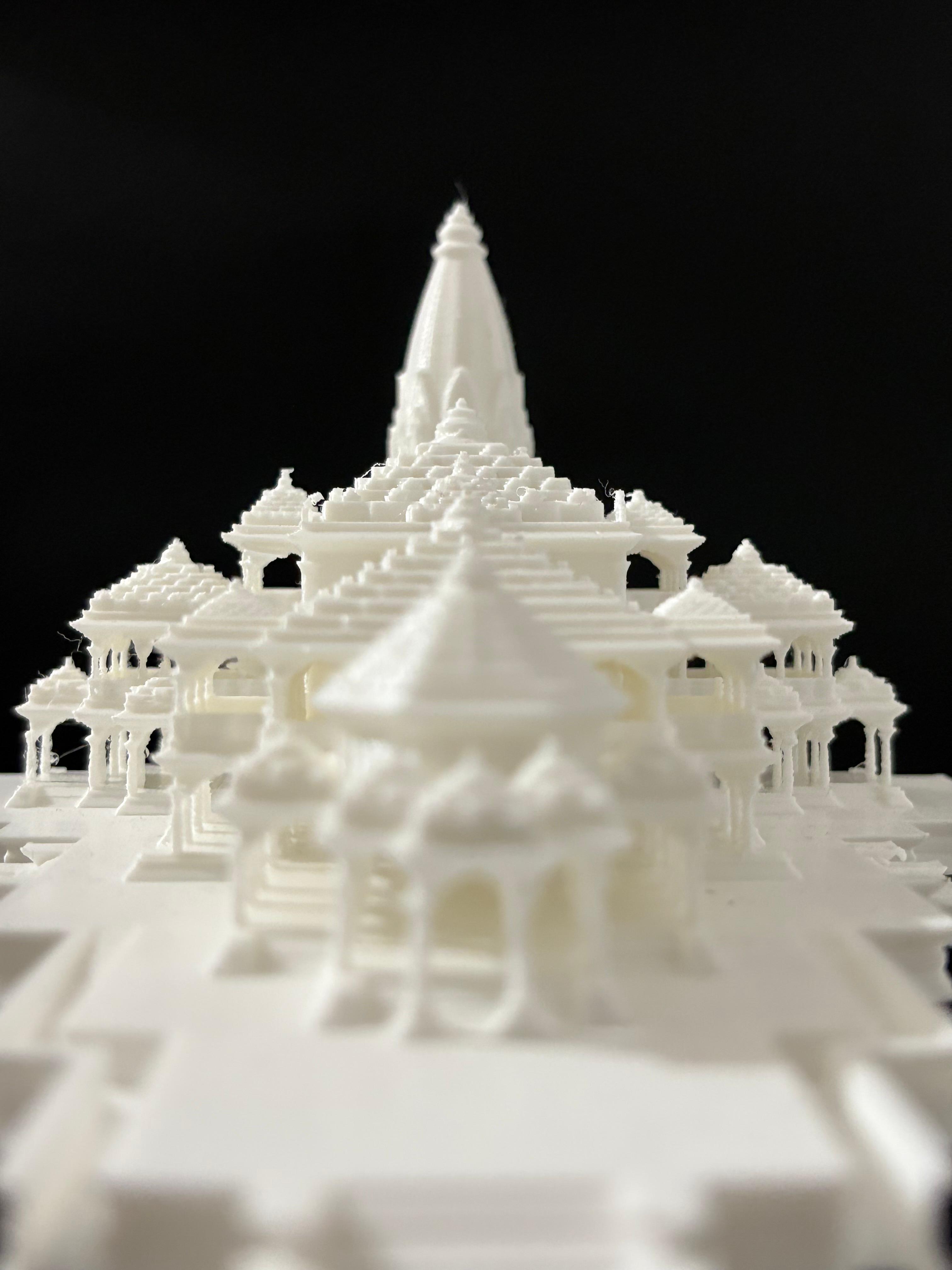
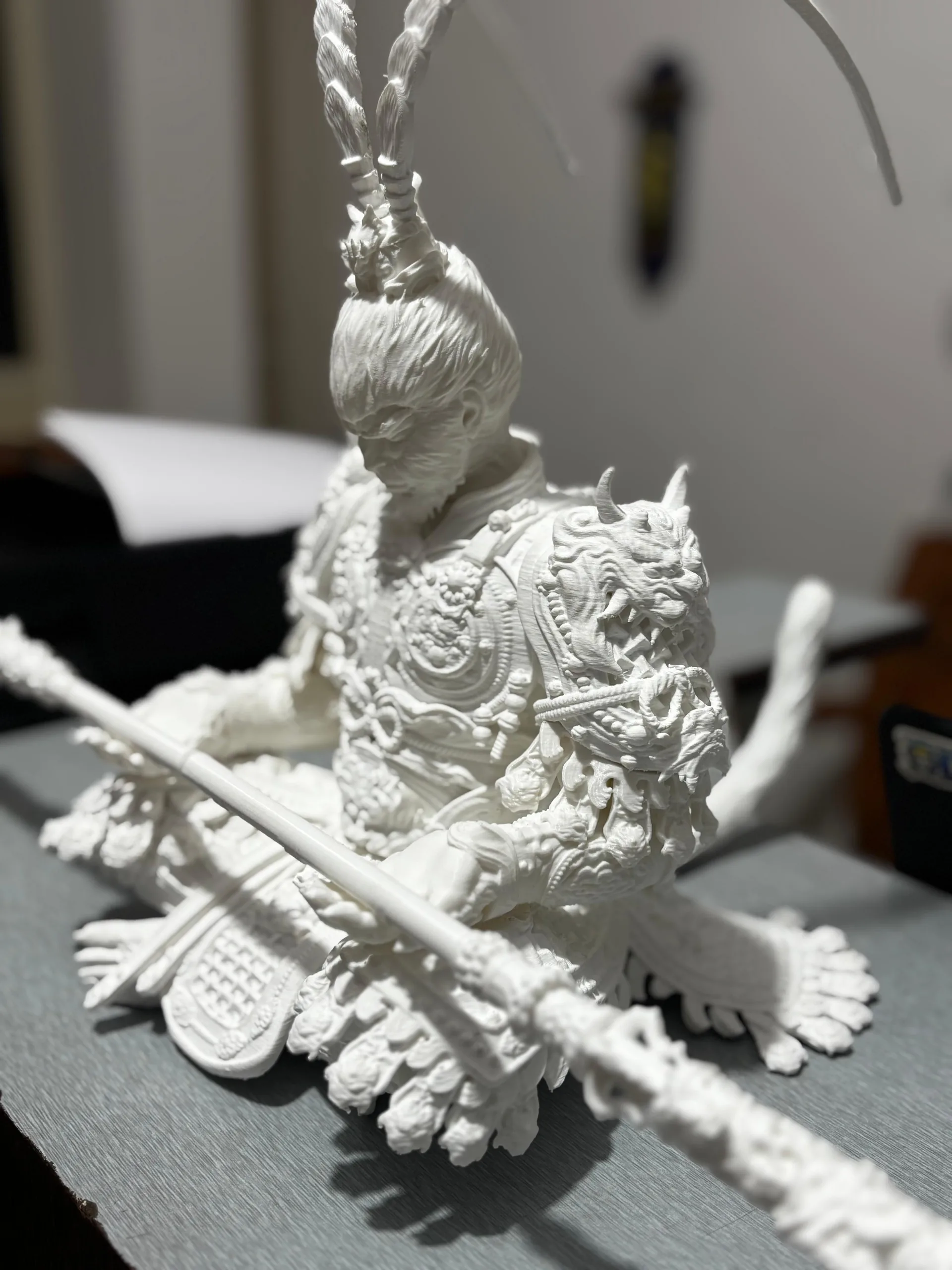
The detail
Precision visible
to the naked eye.
Product
Prototypes
Physical prototypes that turn a design file into something you can hold, test, and evaluate — before committing to tooling or production costs. Faster decisions, lower risk.
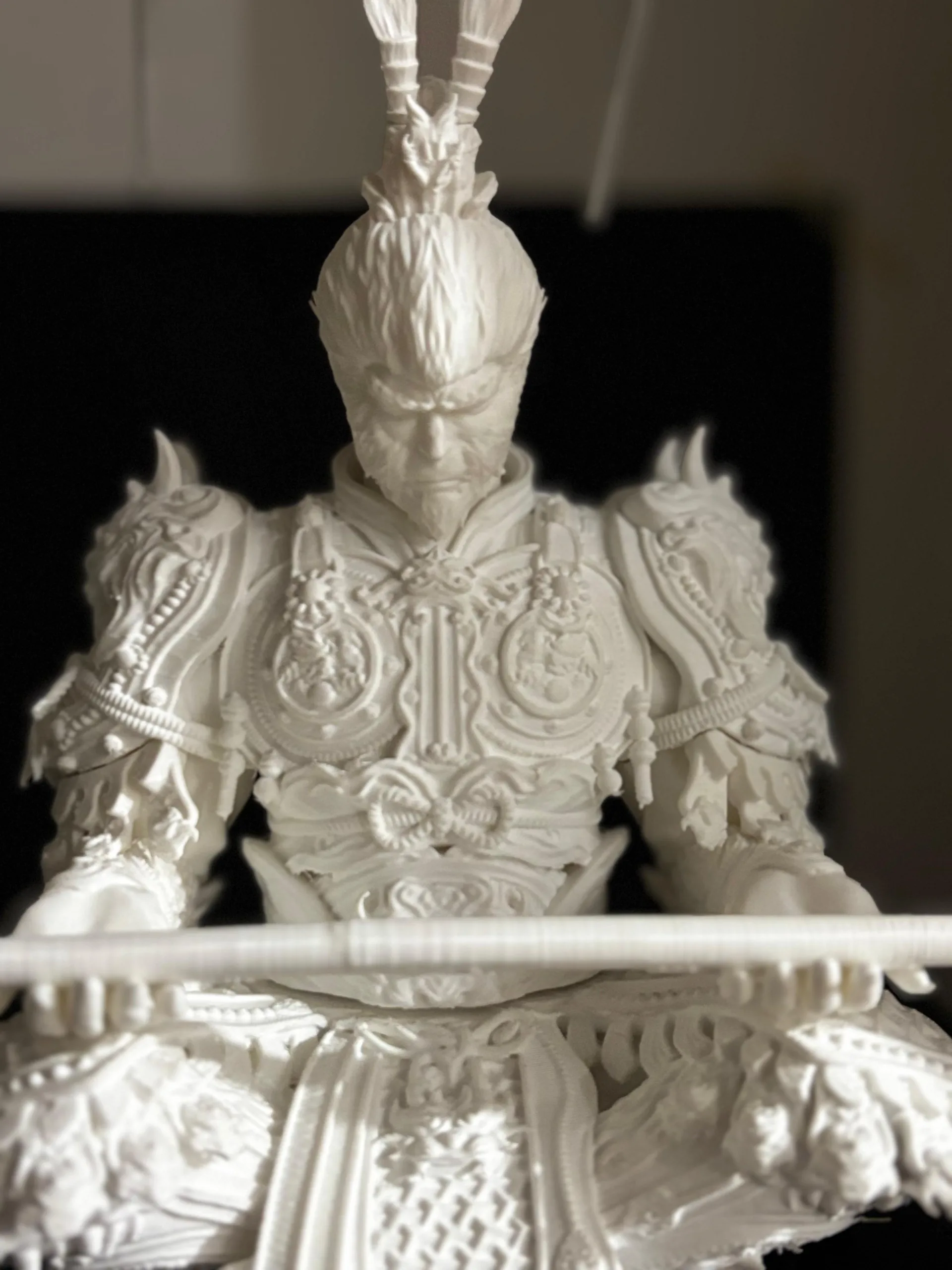
Functional
Models
Working models that demonstrate mechanical movement, assembly interaction, or system behaviour — useful for engineering review and real-world testing before production.
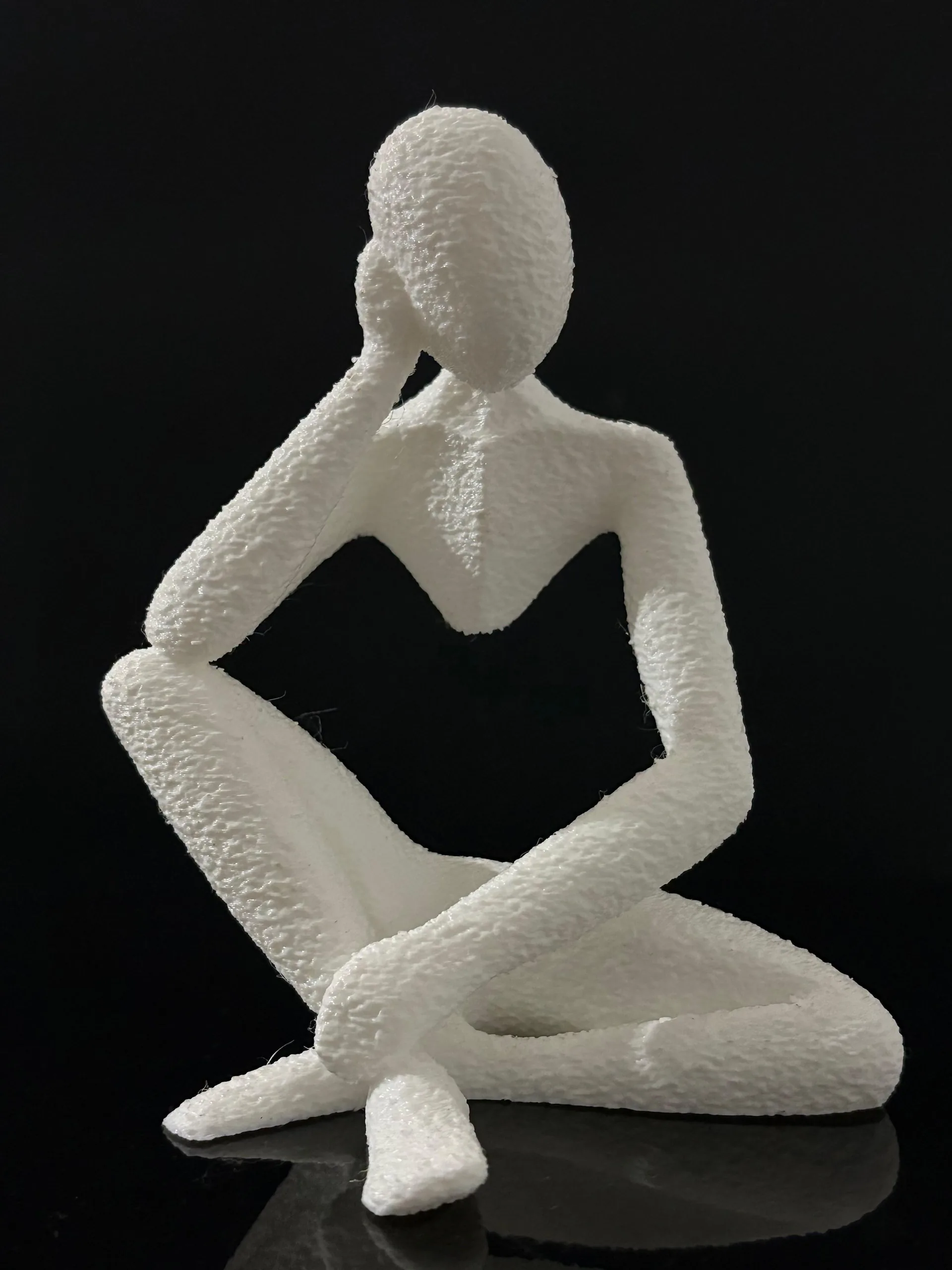
Concept
Models
Three-dimensional form explorations that make design decisions physical — used for client reviews, exhibition, heritage documentation, or settling design direction choices.
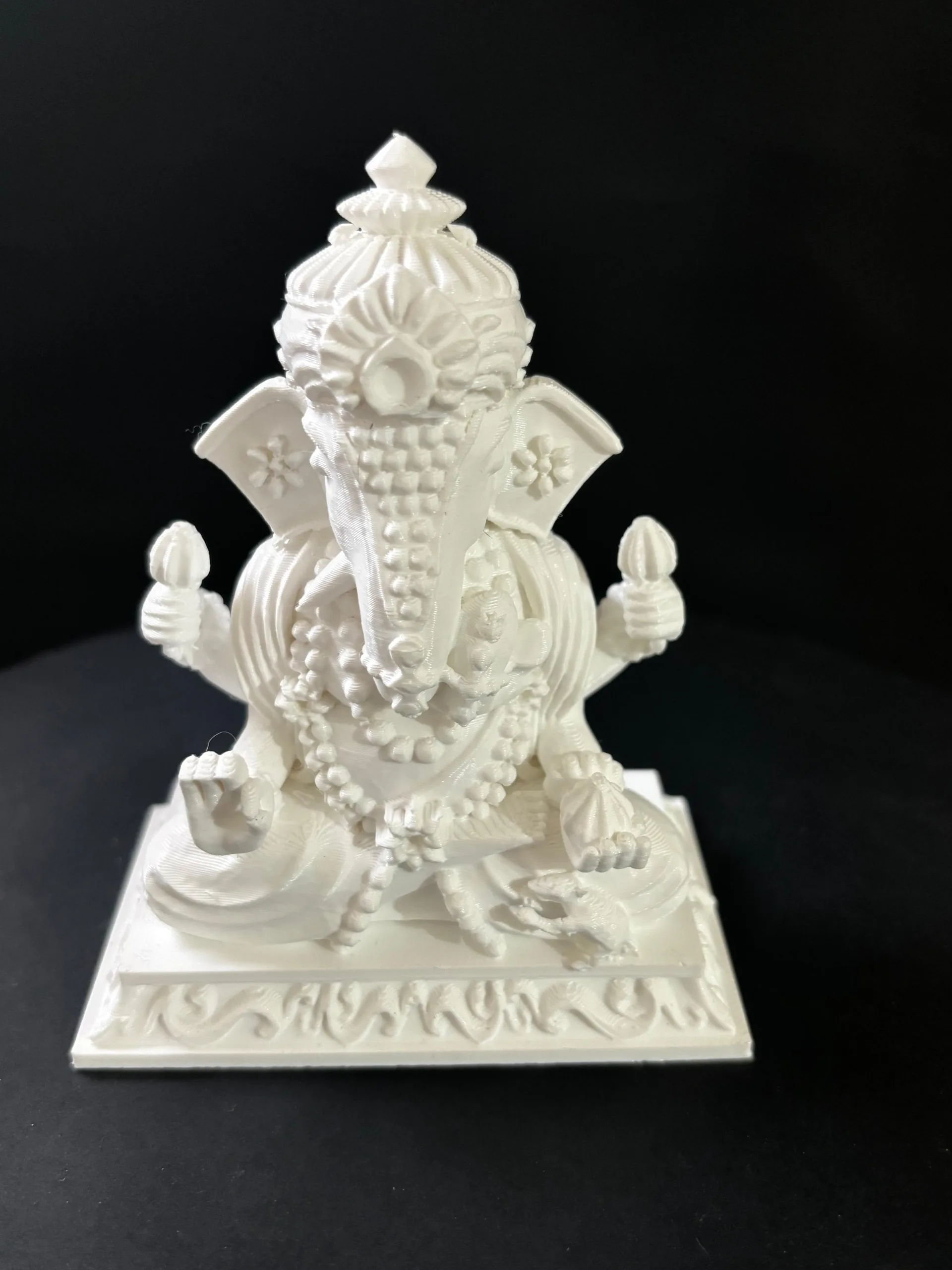
Custom
3D Parts
Purpose-built parts for engineering: enclosures, brackets, mounts, replacement components, and hardware where off-the-shelf options do not exist or fit.
How it works
From idea to finished print.
Understand
What the part must do, the constraints it operates within, and what success looks like — functional, aesthetic, or both.
Prepare
CAD modelling or geometry optimisation — wall thickness, overhangs, tolerances, and print orientation resolved before the job starts.
Print & Inspect
Printed and checked for dimensional accuracy, surface quality, and structural integrity before dispatch. No exceptions.
Refine
Revised and reprinted based on feedback. Multiple iteration cycles are expected — discovering what the model reveals is the point.
Where 3D printing fits in a project
The four output types above serve different moments in a product's life. Knowing which one you need changes how the part is modelled, oriented, and printed.
Before committing to tooling
Turning a design file into something you can hold surfaces problems a screen hides — proportion, grip, clearance. Catching them here costs a print, not a mould.
Engineering review and fit testing
Working models that demonstrate mechanical movement or assembly interaction, checked against 0.1 mm dimensional accuracy so a part can be trial-fitted against real hardware.
Parts that do not exist off the shelf
Enclosures, brackets, mounts, and replacement components made to the dimensions you need, including hardware that is discontinued or was never sold separately.
Review, exhibition, and heritage work
Form explorations printed to settle a design direction, and detailed resin work for exhibition and heritage documentation where surface quality carries the object.
What to send before a print
A file is the fastest starting point, but it is not a requirement. The following are the inputs that shape how a part is prepared.
- A file, a sketch, or an idea — existing CAD geometry, a dimensioned drawing, or a description we model from.
- What the part has to do — whether it is handled, load-bearing, mounted, or purely visual changes wall thickness and orientation.
- Size and fit constraints — any dimension that must match something else, and how much tolerance that interface allows.
- Material preference — PLA, PETG, ABS, and resin are the materials supported, or the property the part needs to have.
- Finish expectation — the surface quality the part has to reach, which is checked before dispatch along with dimensional accuracy.
- How many you need — stated up front, so preparation covers the full requirement.
Common questions about 3D printing
Do I need a CAD file to start?
No. Send a file, a sketch, or just an idea. CAD modelling and geometry optimisation are part of MPRO 9’s 3D printing preparation stage, so a drawing or a clear description is enough to begin.
Which materials and technologies do you print in?
MPRO 9 prints in PLA, PETG, ABS, and resin, across FDM and resin printing. The choice depends on the part requirements, and both functional and artistic prints are produced on the same equipment.
Can you print a part that has to fit existing hardware?
Yes — MPRO 9 works to a 0.1 mm dimensional accuracy figure for exactly that reason. Tell us which surfaces are the mating ones, and tolerances and print orientation are resolved before the job starts.
What happens if the first print is not right?
It gets revised and reprinted. MPRO 9 expects multiple iteration cycles on a 3D print rather than treating them as a failure — discovering what the physical model reveals is the point of printing it.
Related engineering insights
- How to validate a product idea before building itWhere a physical prototype fits in early validation.
- Idea to product: the complete development processThe stages a prototype passes through on the way to a product.
- From idea to working product: a development roadmapHow prototyping cycles fit into a wider build plan.
Start building
Have something
to prototype?
Send us a file, a sketch, or just an idea. We'll turn it into a physical object.