

Firmware to Cloud. Signal to System.
We design embedded devices, write firmware, build IoT connectivity, and deploy edge intelligence — from first prototype to reliable production system.
System Architecture
Four Layers,
One Coherent
System
Every project we build is designed as a complete vertical stack. Hardware, firmware, connectivity, and intelligence are engineered together from day one — not bolted together at the end.
Embedded Device Development
Custom embedded hardware and firmware for specific operational tasks — from microcontroller selection and circuit design to integration with sensors and actuators.
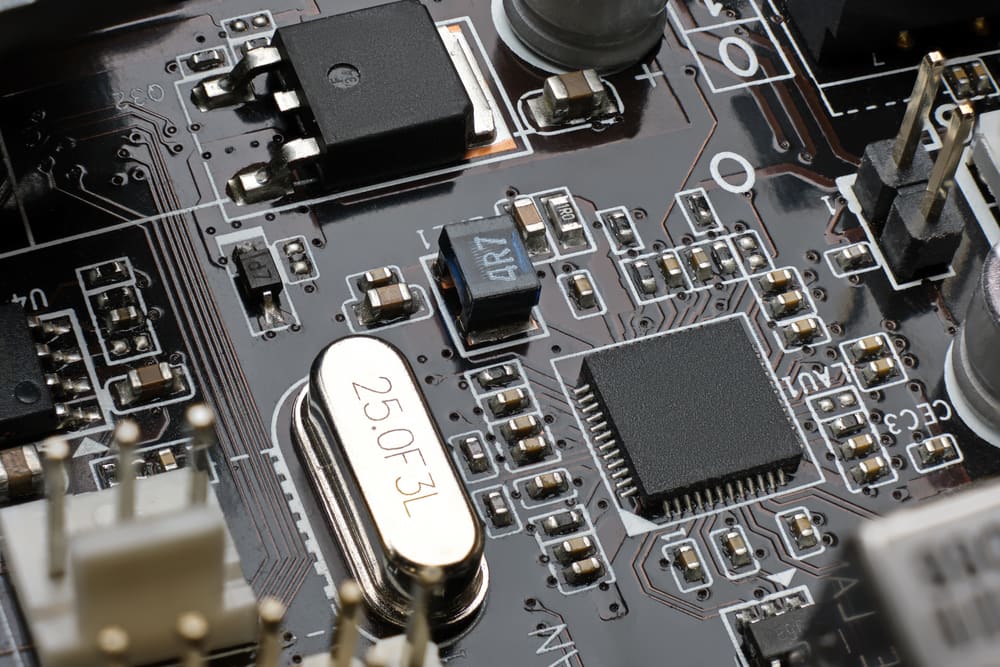
Firmware & Control Logic
Reliable, optimised firmware for real-time microcontroller systems — communication protocols, sensor interfaces, power management, and device state machines.

IoT & Cloud Connectivity
End-to-end IoT systems connecting sensors, devices, and controllers to cloud platforms — remote monitoring, data collection, and automated decision triggers.

Edge AI & Smart Monitoring
AI inference and intelligent monitoring deployed directly on edge hardware — real-time detection and decision-making without cloud latency or dependency.

Connected Intelligence
One Device,
Always Watching,
Always Reporting
Smart monitoring devices we build combine embedded vision, edge inference, and wireless connectivity — streaming structured data to cloud dashboards, triggering alerts, and logging events without operator intervention.
IoT Connectivity
Device to Dashboard,
Anywhere on Earth
We build the full stack — sensor to gateway, gateway to cloud, cloud to interface. Every node in the network is our responsibility, from the firmware running on the microcontroller to the dashboard your team reads.
System Output
What a System
We Build Looks
Like at Boot
Every embedded system we ship initializes this cleanly: peripherals verified, sensors calibrated, network connected, telemetry streaming. This is the standard our firmware is written to.
Where We Apply This
Five
Domains
Smart Monitoring
Continuous monitoring for equipment health, environmental conditions, and process parameters — with real-time alerting and data logging.

Industrial Automation
Embedded controllers and sensor networks for production environments — automating measurement, triggering, sequencing, and feedback control.
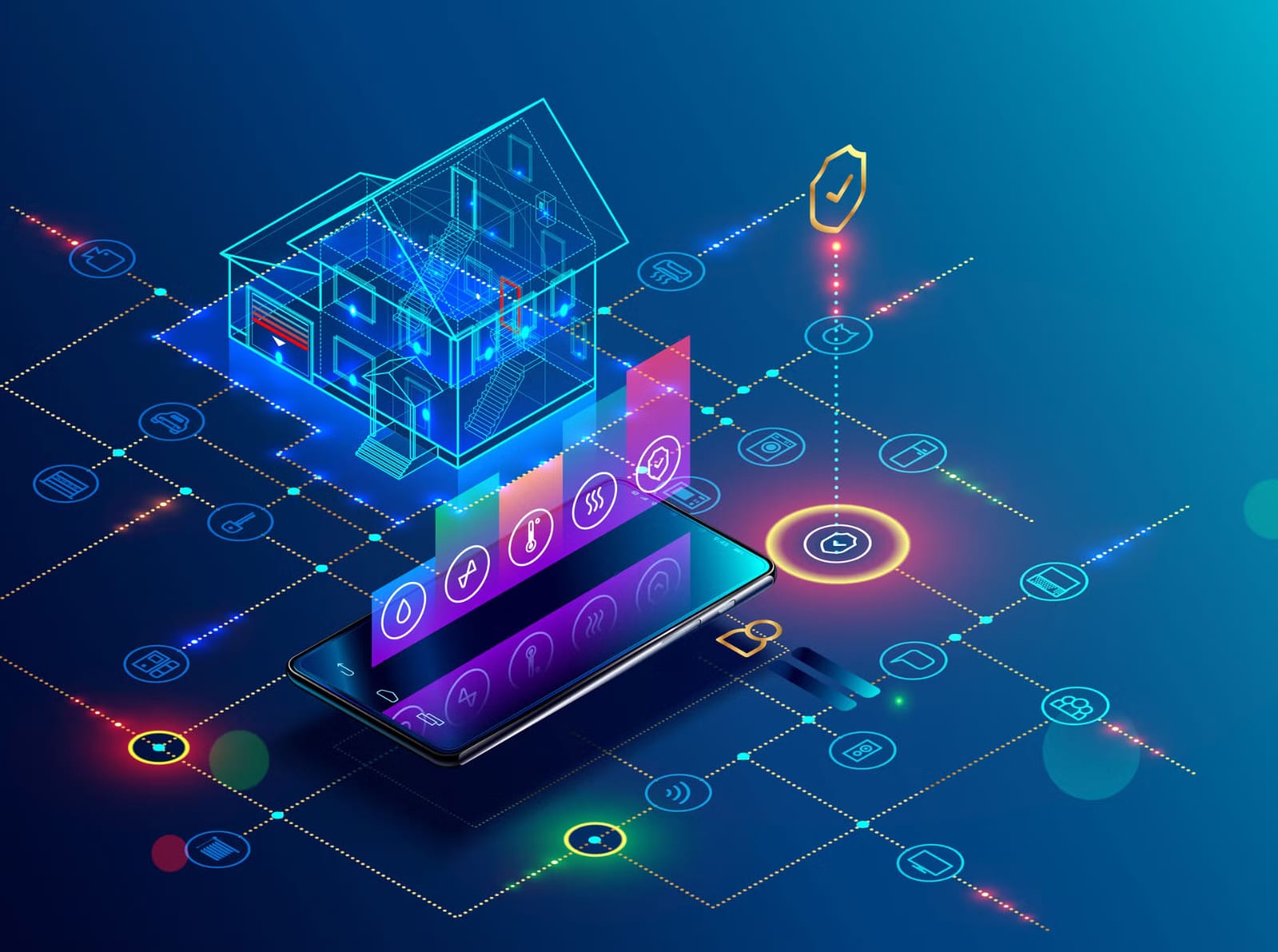
Sensor-Based Systems
Hardware and firmware for multi-sensor platforms — reading, conditioning, fusing, and transmitting data from temperature, pressure, motion, vision, and RF sensors.
Connected Devices
Custom IoT devices with wireless connectivity — built for specific use cases where off-the-shelf modules do not fit the power, size, or protocol requirements.
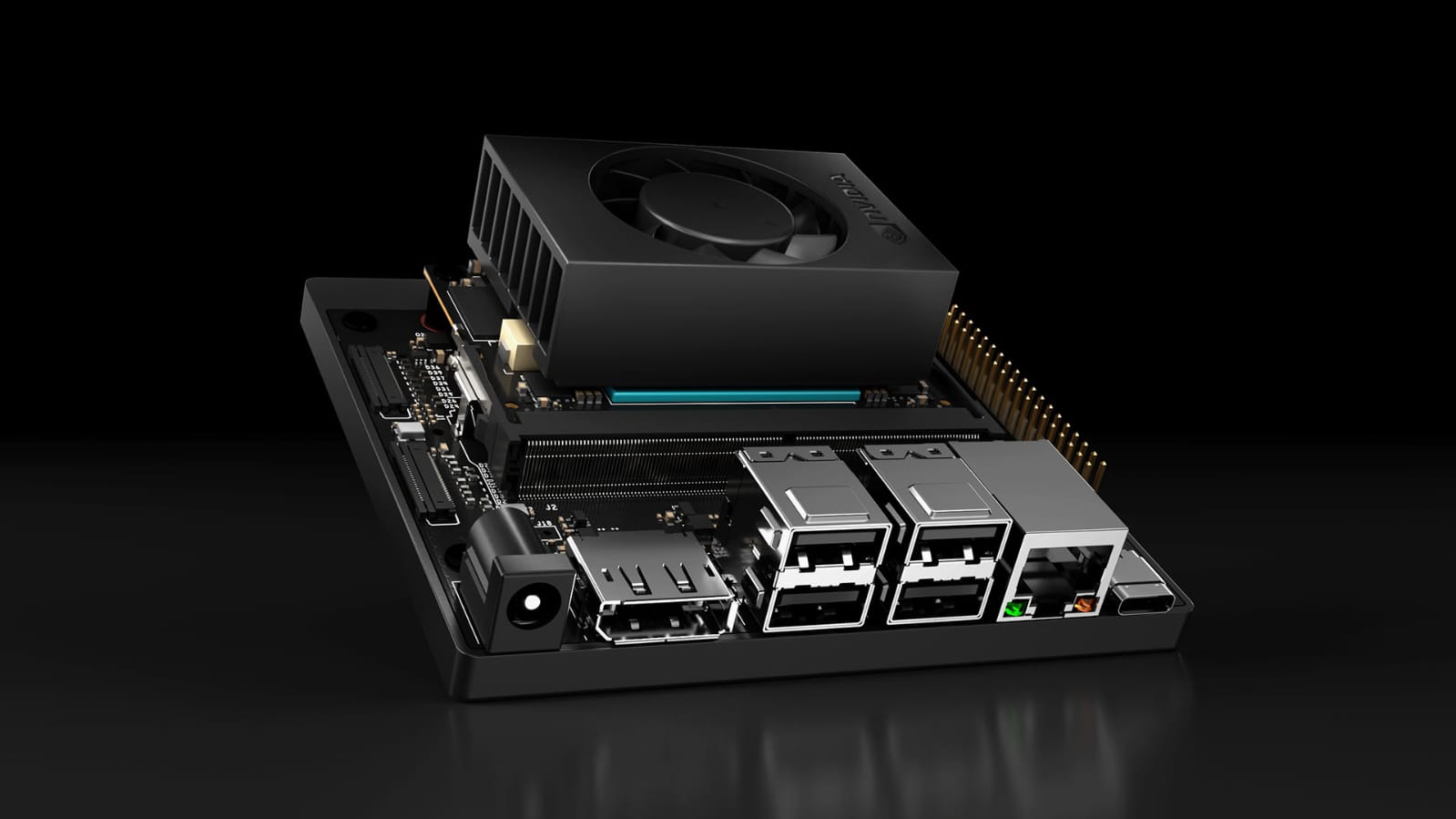
Prototype Development
Working hardware-software prototypes that validate embedded system concepts before committing to production PCB layout and volume firmware development.

Development Process
From Requirements
to
Reliable System
Understand Requirements
Power budget, real-time constraints, connectivity needs, physical environment, and what reliability means for this specific application — captured before design begins.
Design Hardware-Software Flow
Component selection, communication protocols, power management, and data flow determined together — hardware and firmware architecture co-designed from the start.
Build and Integrate
Prototype built, firmware written and tested on real hardware. Sensor interfaces, communication stacks, and cloud connections verified under realistic operating conditions.
Test and Refine
Edge cases, noise conditions, power events, and connectivity interruptions tested systematically. We stay engaged after deployment — the lab cannot predict everything.
What an embedded project hands over
All four stack layers are owned, so the handover covers the whole path from the firmware running on the microcontroller to the dashboard your team reads.
- A captured requirement set — power budget, real-time constraints, connectivity needs, and physical environment, recorded before design begins.
- Custom hardware — microcontroller selection, circuit design, and integration with the sensors and actuators the task requires.
- Production firmware — communication protocols, sensor interfaces, power management, and device state machines written for real-time operation.
- A working connectivity path — sensor to gateway, gateway to cloud, cloud to interface, verified end to end.
- Edge intelligence where it belongs — on-device inference for detection and decisions that cannot wait for a round trip to the cloud.
- Systematic test results across edge cases, noise conditions, power events, and connectivity interruptions, with engagement continuing after deployment.
Common questions about embedded and IoT projects
What does the firmware layer cover?
Communication protocols, sensor interfaces, power management, and device state machines, written for real-time microcontroller systems. MPRO 9 treats firmware as a distinct layer of the embedded stack, and what a board exposes — interfaces, power design, and peripherals — determines what firmware can do with it.
Why not use an off-the-shelf module?
Often you should. MPRO 9 builds custom embedded devices for the cases where standard modules do not meet the power, size, or protocol requirements — not as a default.
Does the intelligence run on the device or in the cloud?
Either — in an MPRO 9 embedded system that is a design decision, not a default. Edge inference removes cloud latency and dependency, which matters when a decision has to be made whether or not the network is available.
Can a concept be proven before committing to production?
Yes. MPRO 9 builds working hardware-software prototypes to validate an embedded concept before production PCB layout and volume firmware development are committed to.
Related engineering insights
- From sensor to cloud: understanding an IoT systemHow the layers of a connected system fit together.
- Why ESP32 is popular for IoT product developmentChoosing a microcontroller platform for a connected device.
- From circuit design to PCB prototypeWhat happens when an embedded design needs its own board.
Ready to Build
Have an Embedded
or IoT Idea?
Let's turn it into a reliable, connected, deployed system.